
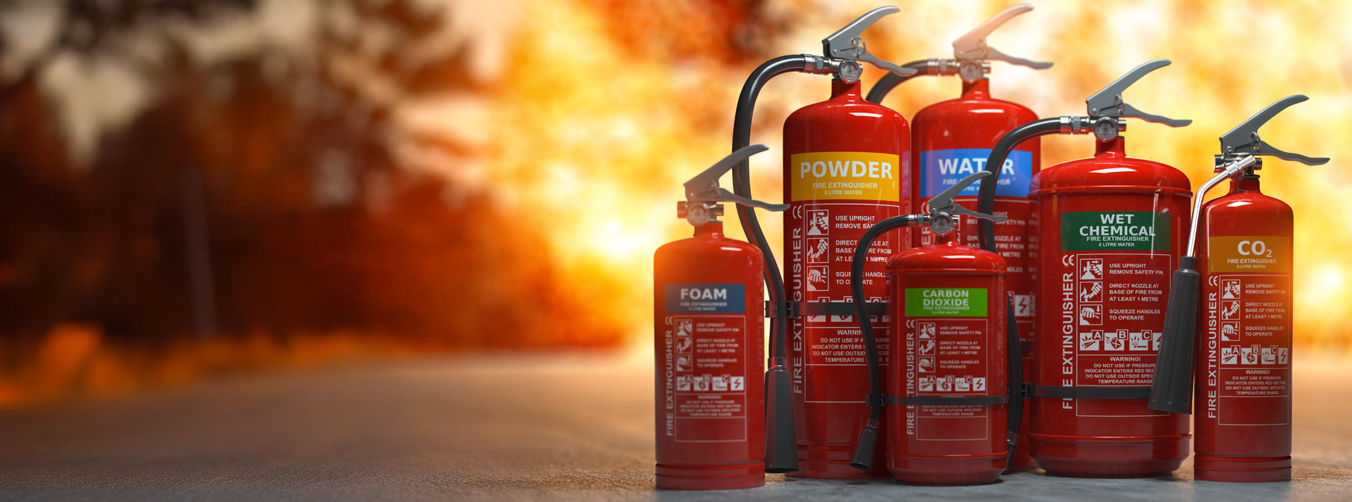
A fire extinguisher is one of those objects that can be recognized anywhere in the world. The reason for that is because it saves lives and it is your first line of defense when fighting fires. Extinguishers come in all different types of shapes and sizes for just about every application for residential, commercial, industrial and marine.
Extinguishers are required to be inspected and tested at regular intervals as per the BC Fire Code. At Active fire we have certified ASTT technicians that provide the services required by the Code to keep your equipment operational and up to date.
We take all of the worries out of your hands with our certified technicians and our equipment service tracking system. You will not miss an Annual Service Reminder.
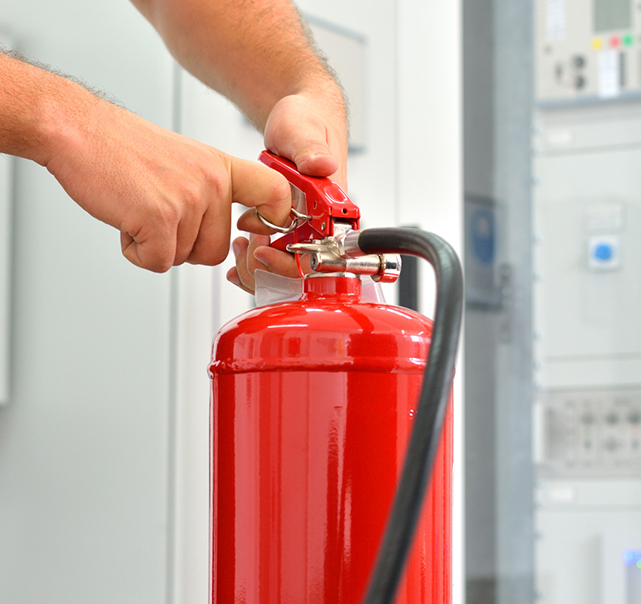
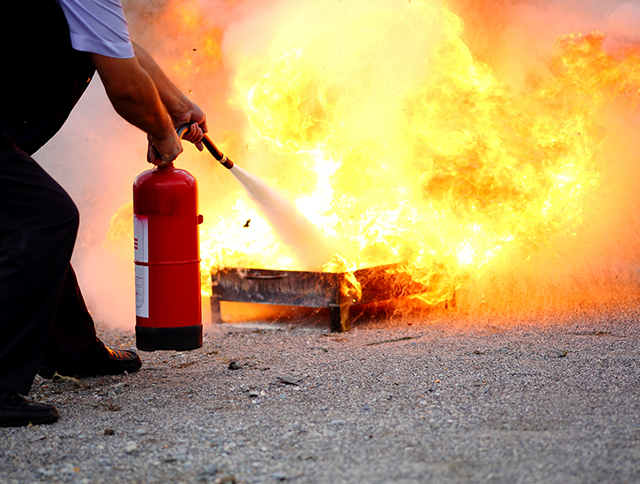
Below are the basic PASS rules in operating a multi purpose dry-chemical fire extinguisher, and in no means is considered accurate if not interpreted 100%
Fire extinguishers shall be subjected to maintenance at intervals of not more than 1 year, or when specifically indicated by an inspection or electronic notification. Basic Fire extinguishers require a 6-Year service every sixth year from date of New or date of hydrotesting. Every 12 years from date of New or last hydrotest every basic fire extinguisher needs to be hydrotested as per manufacturers specifications. These test are crucial considering these fire extinguishers are pressure vessels.
Fire extinguishers shall be internally examined at intervals not exceeding those specified in Table 7.3.1.1.2
Table 7.3.1.1.2 Maintenance Involving Internal Examination
Extinguisher TypeInternal Examination Interval (years)
| Stored-pressure loaded-stream and antifreeze | 1 |
| Pump tank water and pump tank calcium chloride based | 1* |
| Dry chemical, cartridge and cylinder-operated with mild steel shells | 1* |
| Dry Powder, Cartridge and cylinder-operated with mild steel shells | 1 |
| Wetting agent | 1 |
| Stored-pressure water | 5 |
| AFFF (aqueous film-forming foam) | † |
| FFFP (film-forming Fluor protein foam) | † |
| Stored-pressure dry chemical, with stainless steel shells | 5 |
| Carbon dioxide | 5 |
| Wet chemical | 5 |
| Wet chemical | 5 |
| Dry chemical stored-pressure, with mild steel shells, brazed brass shells, and aluminum shells | 6 |
| Halogenated agents | 6 |
| Dry powder, stored-pressure, with mild steel shells | 6 |
* Dry Chemical in cylinder-operated extinguishers is examined annually.
† The extinguishers agent in liquid charge-type AFFF and FFFP extinguishers is replaced every three years and internal examination (teardown) is normally conducted at that time. The agent is solid charge type AFFF extinguishers is replaced every 5 years during the periodic hydrostatic test and teardown is done at that time.
Automatic fire extinguishers act quickly to stop fires before they can spread and damage building and assets. They are self-contained and completely automatic, with discharge times of 10 seconds or less. They require no external power source or connections, so they can be installed or moved easily to provide round the clock fire protection in almost any space.
FEATURES
Automatic fire extinguishers provide fire protection for applications where sprinkler or suppression systems are prohibitively expensive or are impractical, where electricity is either unavailable or unreliable, and for mobile spaces, such as boats and recreational vehicles, to provide unattended, 24/7 fire protection.
Contact us for your annual servicing or replacement to ensure compliance with BC Fire Code, BC Buidling Code & Vancouver Building By Law
FAQ
These letters classify the types of fires the extinguisher is designed to fight. Using the wrong type can sometimes make a fire worse.
With proper maintenance, a high-quality rechargeable fire extinguisher can last 10 to 20 years. However, disposable (plastic valve) extinguishers sold at big-box stores typically have a lifespan of 12 years and cannot be serviced—they must be discarded if they lose pressure or expire.
For Commercial Units (Metal Valve): It is almost always cheaper to recharge a high-quality 5lb or 10lb unit than to replace it.
For Small Residential Units (Plastic Valve): If you have a small 2.5lb extinguisher with a plastic head, it is usually more cost-effective to replace it, as these are often designed to be disposable.
There are two required inspection intervals under the BC Fire Code and NFPA 10:
Inspection (Monthly): A quick check to ensure the extinguisher is available and looks ready to use.
Maintenance (Annual): A detailed service where we verify the internal mechanics, check the weight/agent level, and ensure the propellant is sufficient.
These are deep-service milestones for standard Dry Chemical extinguishers:
6-Year Maintenance: Every 6 years, the extinguisher must be emptied, the internal cylinder examined for corrosion, and the chemical refilled/recharged.
12-Year Hydrostatic Test: Every 12 years, the cylinder must be pressure-tested with water (hydro-tested) to ensure it won’t rupture. If it passes, it is recharged and put back in service.
If the needle is in the red (either overcharged or undercharged), the extinguisher may not function when you need it.
Yes. Even a short burst breaks the seal and allows the internal pressure to leak out over the next few hours or days. Once the pin is pulled and the lever squeezed, the unit must be recharged and reset by a professional to be considered reliable again.
Yes. We sell and install a full range of commercial-grade fire extinguishers, including ABC Dry Chemical, CO2 (Carbon Dioxide), Water, and Class K units for kitchens. We ensure the correct size and type is selected for your specific hazard level.
Yes. Our fleet of mobile service vans allows our ASTT-certified technicians to perform Annual Inspections, 6-Year Maintenance, and Recharges right at your business or job site. This minimizes downtime and keeps you compliant without your equipment leaving the property.
You can call our office at 604-590-0149 or use the Contact Us form on our website to request a quote or book a fire extinguisher inspection.
