
 Dry Sprinkler System Winterization Service
As winter approaches, ensuring the proper functioning of your dry sprinkler system becomes essential to protect your property and maintain fire safety standards. We offer expert Dry Sprinkler System Winterization services to safeguard your system against freezing temperatures and potential damage. Our comprehensive winterization service includes dry sprinkler winterization, fire sprinkler winterization, sprinkler pipe winterization, dry sprinkler flushing, and sprinkler system blowout.
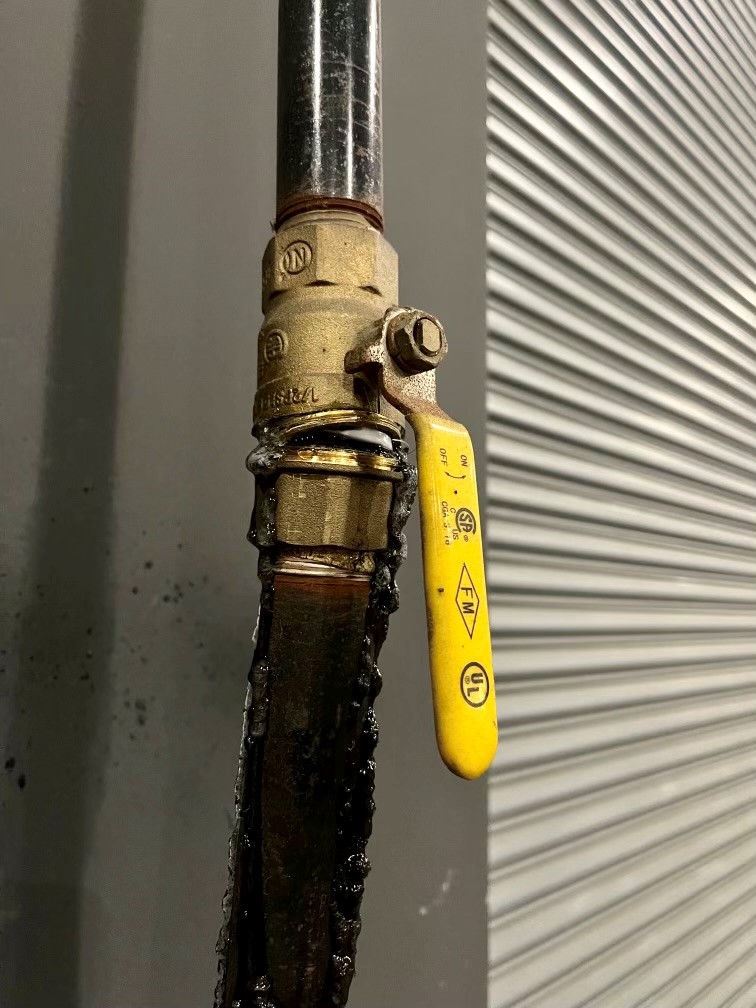
Draining and winterizing dry sprinkler low point and auxiliary drains is a critical maintenance task to ensure the effectiveness of fire sprinkler systems during colder months. In preparation for winter, it is essential to remove any residual water from these low points and auxiliary drains in dry sprinkler systems. By draining these points, the risk of freezing and subsequent damage to the system’s components is significantly reduced.
The process typically involves carefully opening the drains to allow water to flow out completely. This prevents water from freezing inside the pipes, which can lead to expansion and potential cracks or ruptures in the system. Properly draining these low points and auxiliary drains ensures that the sprinkler system remains functional and ready to respond to fire emergencies even in freezing temperatures.
Regular inspection and maintenance of these drainage points are crucial to the longevity and reliability of dry sprinkler systems, especially in regions prone to cold weather. Proper winterization practices help safeguard the integrity of the system, providing peace of mind for building owners and occupants alike.
 What is a Dry Sprinkler System?
Dry sprinkler systems are specifically designed to reach into colder areas or places that may be subject to freezing temperatures, while effectively retaining water within a controlled environment where freezing is not a worry. While there are various types of sprinkler systems in regions prone to freezing, the most common is the dry type sprinkler valve, which is filled with air under normal conditions to prevent the piping from freezing. In the event of a fire, the dry control valve opens and floods the sprinkler piping and heads with water and extinguishes the fire.
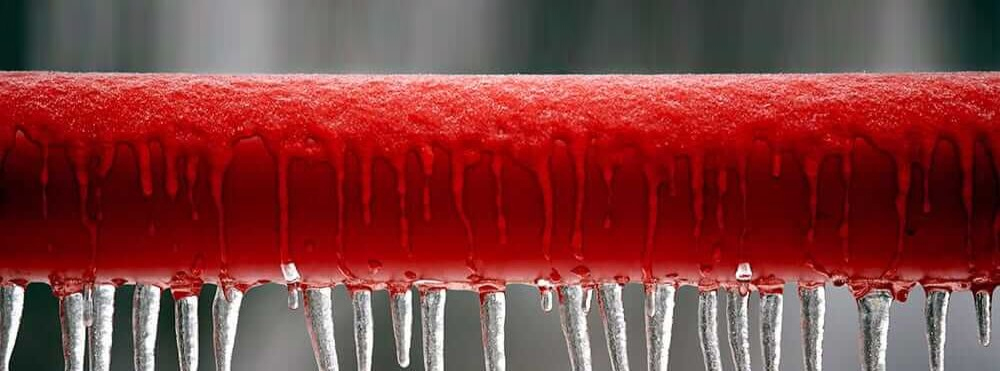
Sprinkler systems play a vital role in fire protection, but they can be susceptible to freezing during the winter months, especially in regions with cold climates. Proper winterization ensures your system remains fully operational and ready to respond to fire emergencies when needed.
Here’s why it’s crucial:
Our team of experienced professionals is well-equipped to provide a range of winterization services:
Don’t leave the protection of your property and safety to chance during the winter months. Contact us today to schedule our expert Dry Sprinkler System Winterization service. We’ll ensure your system is protected against the freezing temperatures of winter and ready to respond effectively in case of a fire.
FAQ
Even though the pipes are filled with air, water naturally accumulates inside them due to two main factors:
Winterization removes this pooled water so it doesn’t freeze.
The primary task is draining the Low Points (also called auxiliary drains or drum drips). Since gravity pulls water to the lowest parts of the piping grid, technicians manually empty these specific valves until only air comes out. We also check the air compressor for proper operation and ensure the system has the correct air-to-water pressure ratio to prevent false tripping.
In British Columbia, this service should be performed in the Fall (September to November), well before the first overnight freeze. Waiting until temperatures drop increases the risk of pipes freezing before a technician can get there.
Neglecting winterization is the leading cause of dry sprinkler system failure. The consequences include:
You often won’t know until it’s too late. Water sits inside the dark, opaque metal pipes. The only way to be sure is to have a certified technician proactively drain the low points. If you hear a gurgling sound in the pipes or notice the air compressor running more frequently than usual (short cycling), you may have excessive fluid or a leak.
While the professional Winterization Service is typically an annual appointment, NFPA 25 recommends that low-point drains be emptied after every operation and frequently during freezing weather.
Active Fire recommends: An Annual Professional Winterization in the Fall, followed by periodic checks by building staff during deep freeze weeks.
Building owners can perform this task if they are properly trained. However, Drum Drips require a specific two-valve sequence (close top, open bottom, close bottom, open top). If you open both valves at once, you will accidentally trip the system and flood your building. It is safer to have Active Fire perform the initial winterization and train your staff on the correct procedure.
Yes. The air compressor is the heart of a dry sprinkler system. If it fails, the system loses pressure and trips. During dry sprinkler winterization, we check the compressor’s oil levels, belts, and automatic cut-in/cut-out switches to ensure it can survive the winter workload.
These are the most vulnerable areas. Dry sprinkler heads in these zones must be the Dry Pendent type (designed not to trap water). During our inspection, we check that the pitch (slope) of the pipes is correct so that water naturally drains back toward the low points rather than sitting in the branch lines.
